
优点:1.插入 删除 不需移动其他元素, 只需改变指针;2:链表各个节点在内存中空间不要求连续!空间利用率高
缺点:1.访问数组元素效率低;2:数组的存储空间连续,内存空间利用率低
重要!!!欢迎对撸代码有兴趣的同学一起交流,大学生也可!!!带你一起写项目致富!:
视频讲解:https://space.bilibili.com/
1.单链表
struct Node {
int data; //数据域 struct Node* next; //指针域 }; 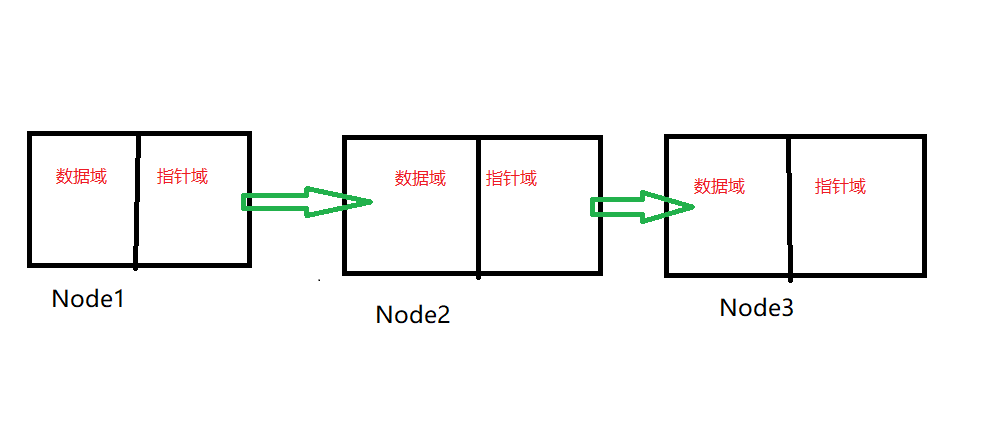

其实通俗来讲链表就像一列火车,每一借车厢里面装载的货物就是各种各样的数据,而连接他们的就是通过指针。
2.如何连接他们呢?
#Include
此为静态链表(不经常使用)
struct Node*createList() {
    //火车头 struct Node*headNode=(struct Node*)malloc(sizeof(struct Node)); //此处malloc作用是向系统申请内存 //初始化变量 headNode->next=NULL; return headNode; } 之后在主函数中调用 struct Node*createList() 函数 接下来创建结点: c struct Node*createList(int data)//创建结点区别在于多了数据域 {
struct Node*newNode=(struct Node*)malloc(sizeof(struct Node));//动态内存申请 newNode->data=data; newNode->next=NULL;//初始化变量 } 结点的插入方法一般有:头插法;尾插法。
我们先来讲链表的打印
链表的打印可以看作,火车到站,装卸工人从你选择的地方拿着记录本,依次往后记录着每节车厢的货物。
void printList(struct Node*headList) {
    struct Node* pMove=headNode->next;//pMove就是装卸工人 while(pMove) {
    printf("%d",pMove->data);//记录 pMove=pMove->next;//向下一节车厢移动 } printf("\n"); }
插入函数(头插法)
void insertNodeByhead(struct Node* headNode) {
    struct Node*newNode=createNode(data);//创建结点 newNode->next=headNode->next; headNode->next=newNode; }
版权声明:本文内容由互联网用户自发贡献,该文观点仅代表作者本人。本站仅提供信息存储空间服务,不拥有所有权,不承担相关法律责任。如发现本站有涉嫌侵权/违法违规的内容, 请联系我们举报,一经查实,本站将立刻删除。
发布者:全栈程序员-站长,转载请注明出处:https://javaforall.net/226667.html原文链接:https://javaforall.net




